Mission & Payload Engineering
Cargo projects begin with the payload type, weight, size, protection, loading method, destination and operating environment before selecting the aircraft and mission architecture.
 People · Technology · Possibility
Project-based cargo and delivery drone solutions integrating payload, aircraft, ground control, UTM/airspace awareness, weather, battery intelligence, approvals, insurance and delivery confirmation.
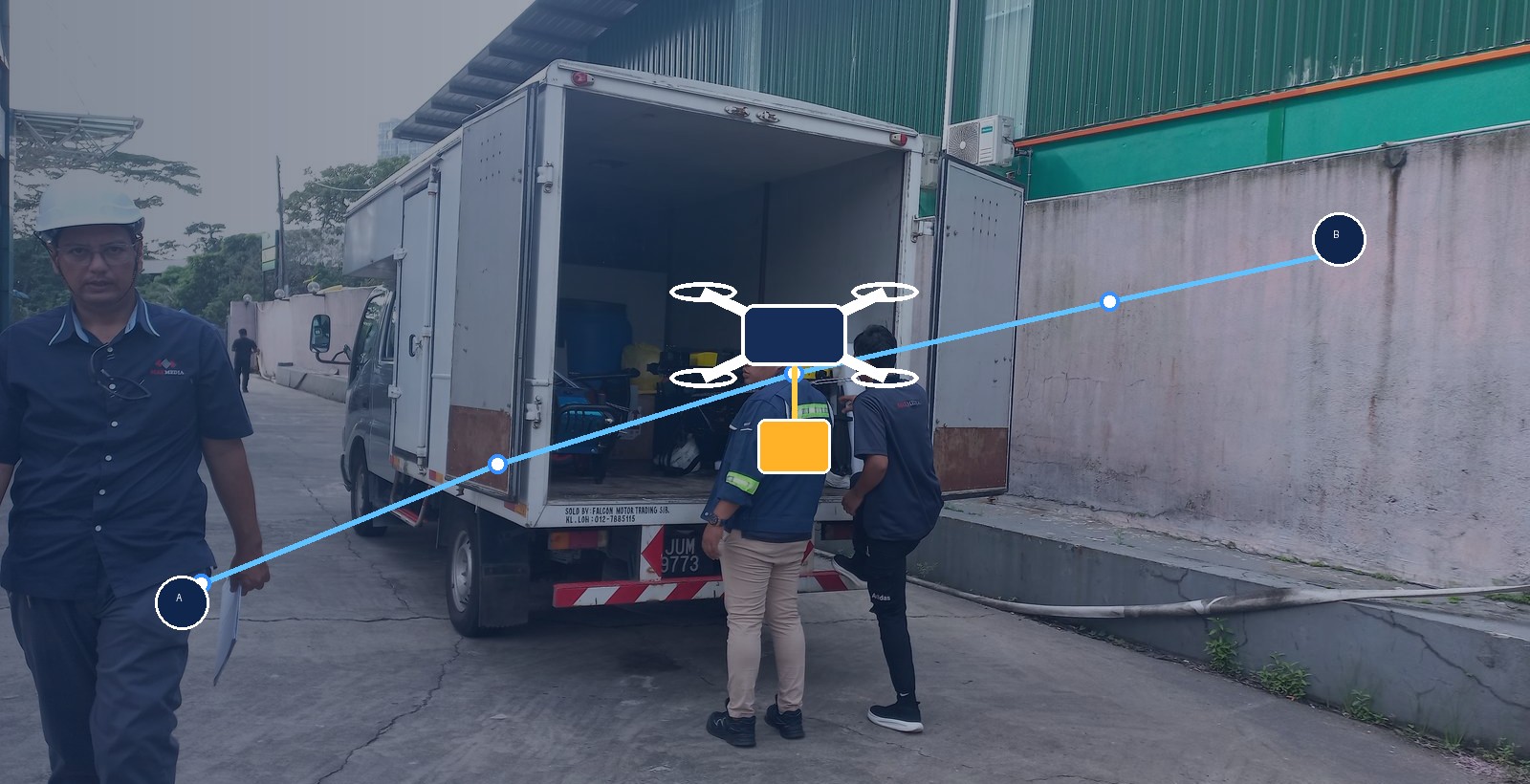
Payload, route, UTM, control centre and compliance intelligence from loading to delivery.
Hover, focus or tap a stage to examine its role in the HiiLSE end-to-end solution.
Cargo projects begin with the payload type, weight, size, protection, loading method, destination and operating environment before selecting the aircraft and mission architecture.
The public scenario visualises mission status, route, aircraft position, communications, battery, payload and return-to-home readiness through a ground-control style interface.
Route planning considers geofences, altitude, airspace, applicable approvals, local/site requirements, insurance and mission risk controls.
Battery state, reserve, wind, distance, payload and charging/turnaround requirements are treated as operational variables rather than decorative specifications.
The exact platform, payload integration, permit pathway, UTM architecture, operating concept and commercial model are developed for the client through closer engagement.
The Cargo family separates small-item delivery, remote transport, cargo movement and lifting/placement rather than presenting them as one generic drone operation.
Payload allocation → destination readiness → preflight → launch → release/landing → confirmation → return.
Corridor, terrain, access, remote-site movement and contingency planning determine the platform and operating method.
Load mass, volume, container or attachment method, centre of gravity and propulsion margins govern cargo configuration.
Suspended-load behaviour, ground crew, placement accuracy, line management and recovery require their own mission controls.
A mission-specific transport demonstrator: secure the cargo, take off, transit, approach, lower the cargo, confirm delivery and complete the mission.
ILLUSTRATIVE / GOVERNED EXPERIENCE · Values, telemetry, GPS, system responses and simulated mission states are illustrative unless explicitly identified as qualified live or measured data.
View, print, share or request approved HiiLSE resources for this page as they become available.
Standby actions remain visible for planning but never open a broken or unfinished asset. Published resources become active only after CMS approval.